


Vertical vs. Horizontal Steel Cutting Machines: Key Differences
Steel cutting machines are essential in metal fabrication and structural steel processing, with two common designs: Vertical Type Steel Cutting Machine and Horizontal Type Steel Cutting Machine. Each design offers unique advantages, and choosing the right model can significantly impact production efficiency, cutting precision, and material utilization.
Features of Vertical Type Steel Cutting Machines
1. Structural Design
• Workpieces are positioned vertically, with cutting performed top-down.
• Compact footprint, suitable for factories with limited space.
2. Cutting Precision
• Stable vertical force ensures smooth and accurate cut surfaces.
• Ideal for batch production, reducing deviation and burr formation.
3. Applications
• Commonly used for rebar and round bar cutting (Round Bar Steel Cutting Machine).
• Suitable for construction steel processing requiring high efficiency and consistent quality.
Features of Horizontal Type Steel Cutting Machines
1. Structural Design
• Workpieces are placed horizontally, with blades moving laterally.
• Larger machine body requires more installation space.
2. Flexibility in Processing
• Handles larger or longer steel materials, suitable for special applications.
• Effective for cutting heavy-duty or high-strength metals.
3. Applications
• Widely used in large structural steel and special alloy cutting.
• Preferred by steel suppliers and large-scale construction projects.
Vertical vs. Horizontal: A Comparison
| Aspect | Vertical Type Steel Cutting Machine | Horizontal Type Steel Cutting Machine |
|
Space Requirement
|
Compact, ideal for small to mid-size factories | Large footprint, requires more space |
| Cutting Precision | Smooth surfaces, high accuracy | Better for oversized or heavy materials |
|
Efficiency |
Fast batch processing, easy operation | Flexible for diverse material types |
|
Industry Use |
Construction rebar, hardware processing | Larg-scale steel structures, alloy manufacturing |
Extended Solutions: Multi-Functional Machines
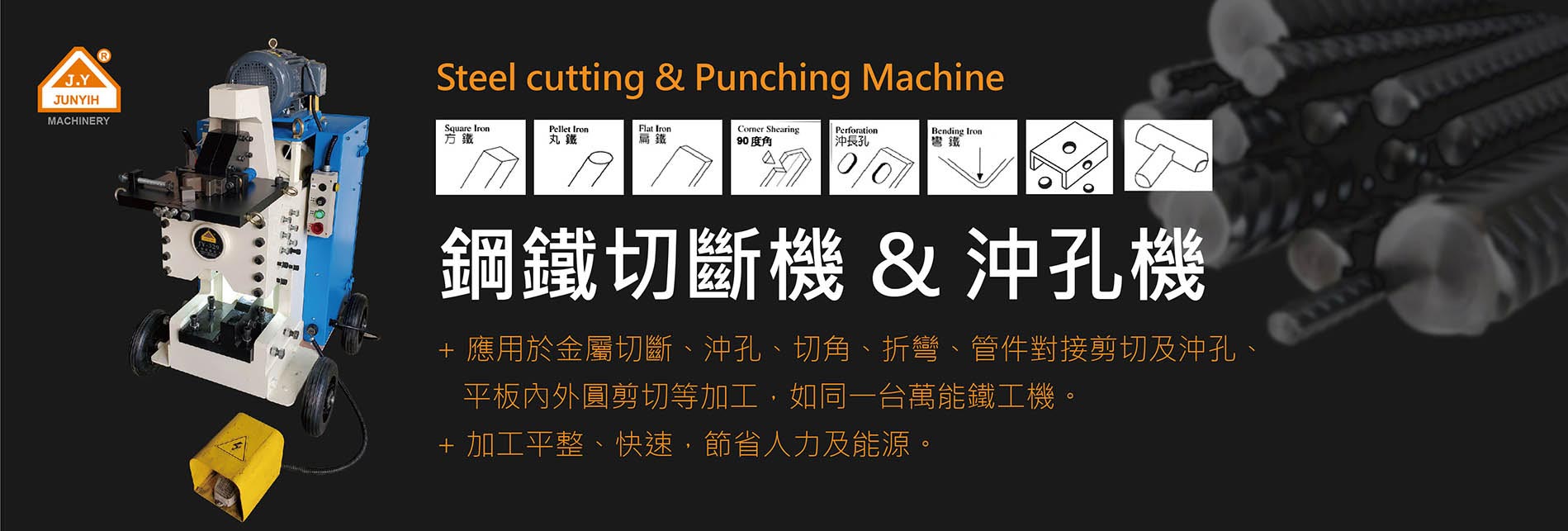
Some manufacturers integrate steel cutting machines into Ironworker Machines or Universal Ironworker Machines, enabling combined functions such as punching, cutting, and notching. This makes them popular among small to medium-sized workshops seeking versatile production capabilities.
Both vertical and horizontal designs of Steel Cutting Machines have their strengths:
• The Vertical Type Steel Cutting Machine is best for small to medium-sized factories focusing on high-efficiency batch production.
• The Horizontal Type Steel Cutting Machine is ideal for handling larger steel materials, special alloys, and flexible applications.
When selecting equipment, companies should consider factory space, processing requirements, and production scale. For broader versatility, a multi-functional Ironworker Machine or Universal Ironworker Machine can be a cost-effective solution.
If you would like to learn more about the design and applications of the Vertical Type Steel Cutting Machine, please visit JUNYIH MACHINERY’s JY-306 Vertical Type Steel Cutting Machine product page to understand how different structural designs affect cutting accuracy and production efficiency.